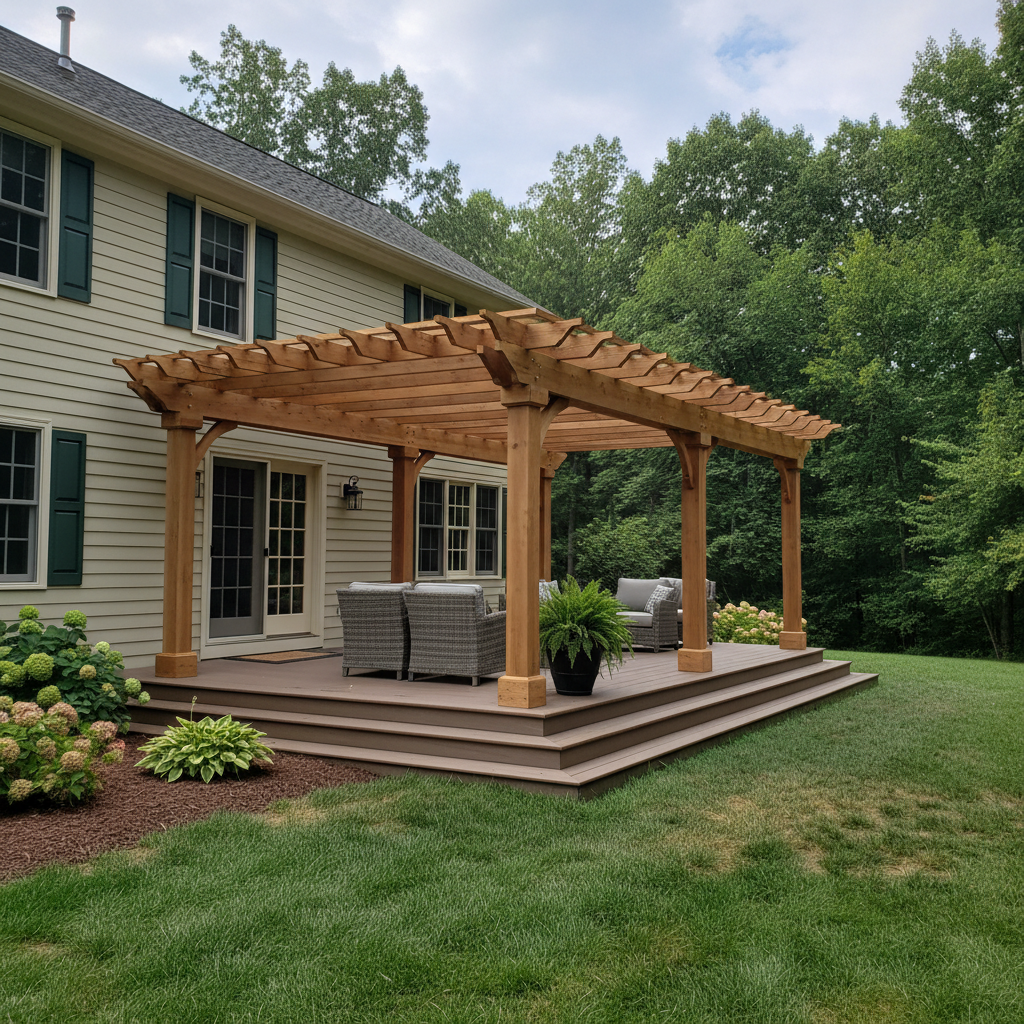
Building a pergola sounds pretty simple, right? You pick a design, find a builder, and boom – instant outdoor living space. Well, I'm here to tell you it's not always that easy. As someone who's built these things for years around Spotsylvania Courthouse, I've seen plenty of projects go sideways because homeowners missed a few key things. Let's talk about the common mistakes and how you can avoid them.
Ignoring Local Zoning and Permits
This is probably the biggest headache I run into. You get all excited about your new pergola, maybe even buy materials or put down a deposit, only to find out you needed a permit and didn't get one. Or, even worse, your design breaks a setback rule or height restriction. Spotsylvania County has specific rules, and they're there for a reason. You can't just throw up any structure you want, especially if it's attached to your house or over a certain size.
My advice? Before you even start dreaming, check with the Spotsylvania County Planning Department. They'll tell you what your specific property requires. A good contractor, like us at Paradise Deck Solutions, will always bring this up, but it's ultimately your responsibility as the homeowner. Don't assume anything. Verify.
Skimping on Design and Planning
A lot of people think a pergola is just four posts and some crossbeams. While that's the basic idea, a well-designed pergola actually fits with your home's architecture, looks good with your landscape, and serves its intended purpose. I've seen pergolas that look like an afterthought, or ones that are too small to shade anything, or too big and just overwhelm the yard.
You really need to think about sun exposure throughout the day and year. Where will the shade fall? Do you want it over a dining area, a hot tub, or just a quiet reading nook? What about future plans for climbing plants? Do you want a solid roof or just open rafters? These aren't minor details; they dictate how much you'll enjoy and use your finished project. Don't just pick the cheapest design you see online. Take the time to plan it out, maybe even get some 3D renderings if your contractor offers them.
Choosing the Wrong Materials for Our Climate
We get some pretty wild weather swings here in Spotsylvania. Hot, humid summers, freezing winters, and plenty of rain in between. If you're building with wood, you need to pick something durable and treat it right. Pressure-treated pine is common, but it needs regular sealing and maintenance. Cedar and redwood are naturally more resistant to rot and insects but cost more. Then there are low-maintenance options like vinyl or composite materials, which are fantastic for longevity but have a different look and feel.
The mistake I see? People go for the cheapest wood option, don't maintain it, and then wonder why it's rotting or warping after a few years. Or they choose a material that just doesn't stand up to our local humidity and UV exposure. Talk to your builder about the pros and cons of each material in our specific climate. For example, if you're building near Lake Anna, you might want something extra resistant to moisture, right?
Hiring the Wrong Contractor (or Doing it Yourself Without Experience)
Look, I get it. Everyone wants to save a buck. But a pergola isn't just a weekend DIY project for most folks. It requires proper footings, structural integrity, and often, a good eye for design. I've been called in to fix plenty of DIY jobs that started strong but ended up wobbly, uneven, or just plain dangerous.
When you're hiring, don't just go with the first quote. Get multiple bids. Check references. Look at their past work. Make sure they're licensed and insured. Ask about their experience specifically with pergolas. A general handyman might be able to put one together, but a specialist will know the nuances of proper construction, material selection, and local codes. You want someone who stands behind their work, not someone who's going to disappear if there's a problem.
Forgetting About Maintenance
Even the most durable pergola needs some love. If you go with wood, you'll need to clean, stain, or seal it periodically. Even vinyl or composite can get dirty and need a good wash. I've seen beautiful pergolas turn green with algae or start to splinter because homeowners installed them and then completely forgot about them.
Factor in the maintenance requirements when you're choosing your materials and design. If you know you're not going to be diligent with staining, then a low-maintenance option is probably a better fit for you. A little bit of care goes a long way in keeping your outdoor space looking great and lasting for years to come.