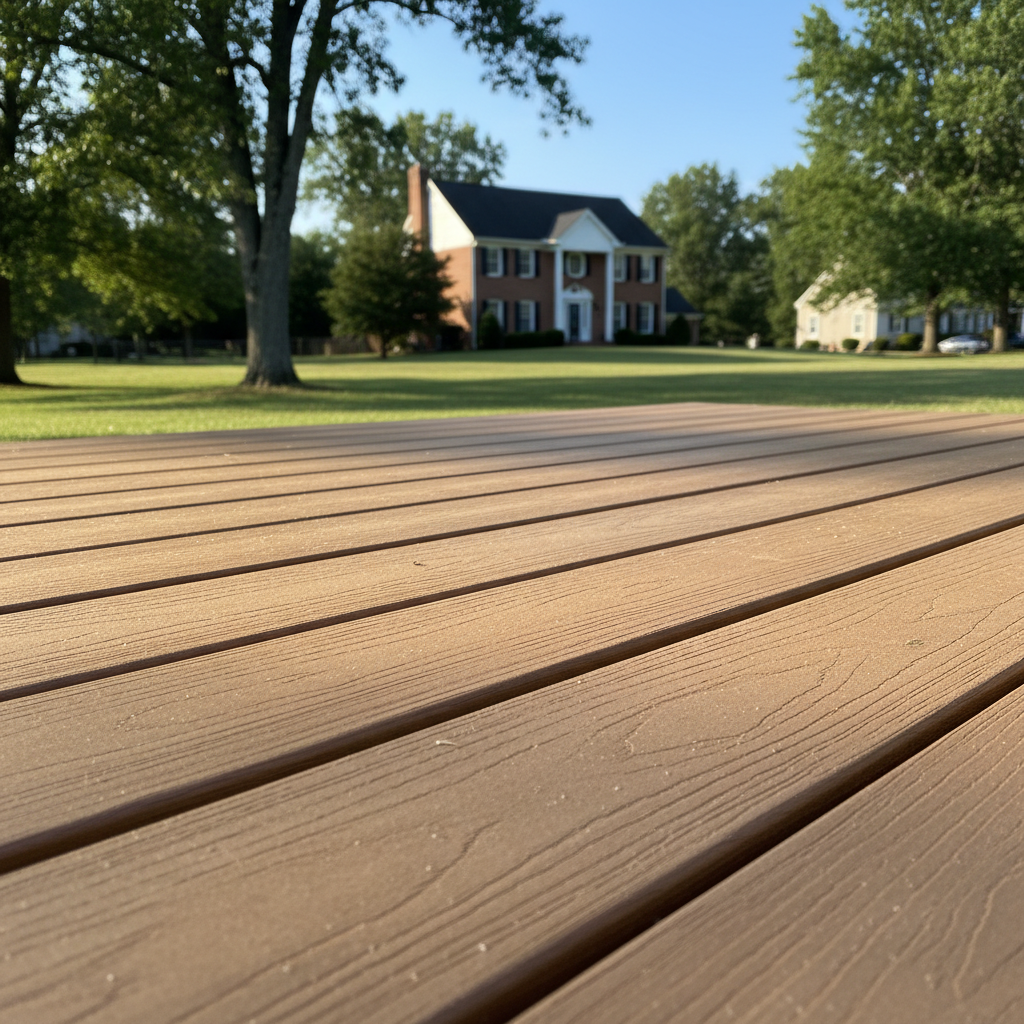
What exactly is Trex decking made of? Is it really 'eco-friendly'?
Alright, let's get into what Trex actually is. It's not just plastic, and it's not just wood. Trex is a composite material, meaning it's a blend. Specifically, it's made from 95% recycled materials. That breaks down to a mix of reclaimed wood fibers – things like sawdust and wood chips from mills – and recycled plastic film, like the stuff you find in grocery bags or shrink wrap. They grind it all up, mix it with some binders and pigments, then heat it and mold it into those deck boards.
So, is it eco-friendly? Yeah, I'd say so. They're diverting a ton of waste from landfills, which is a big plus. You're not cutting down new trees for your deck, and you're using up plastic that would otherwise just sit there for centuries. For folks around here, especially those living near Lake Anna who care about keeping things clean, that's usually a pretty appealing factor.
How does Trex compare to traditional wood decks in terms of cost?
This is probably the most common question I get. Upfront, a Trex deck is almost always going to cost more than a pressure-treated wood deck. You're looking at a higher price per linear foot for the material itself. But here's where it gets tricky: you've gotta think long-term.
With wood, you're going to spend money and time every year or two on cleaning, sanding, staining, or sealing. That's a real cost, whether it's your weekend or you're paying someone like me to do it. Over 10-15 years, those maintenance costs for wood can easily add up to, or even surpass, the initial difference in price for Trex. Trex just needs a good scrub with soap and water now and then. So, while the sticker price for Trex is higher, its total cost of ownership often ends up being lower over the lifespan of the deck. It's an investment, plain and simple.
Will a Trex deck get super hot in the Spotsylvania summer sun?
You bet it can. This is a legitimate concern, especially with our hot, humid summers here in Spotsy. Any dark-colored decking material, whether it's wood or composite, is going to absorb and retain heat. Trex is no exception. If you pick a dark gray or a deep brown Trex board, it's going to get hot enough to make you want to wear shoes, maybe even flip-flops, when the sun's beating down in July. I've seen it get pretty uncomfortable.
My advice? If you've got a south-facing deck that gets sun all day, consider lighter colors. The lighter shades of Trex will still get warm, but they won't scorch your feet like the darker ones. Also, think about shade structures – pergolas, awnings – if you're really worried about it. It's not a deal-breaker, but it's something to be aware of, especially if you have kids or pets who'll be out there.
How durable is Trex? What about fading, scratches, or mold?
Trex is tough, no doubt about it. It's designed to resist rot, insect damage, and splintering, which are all big problems with wood. The newer generations of Trex, especially their 'capped' composites, have a hard shell around the core that really boosts durability. This cap helps a lot with fading – they've got UV inhibitors built in, so your deck color stays truer for much longer than stained wood would. You'll see some minor fading over decades, but nothing like a wood deck that's been neglected.
Scratches? Yeah, it can scratch. If you drag heavy furniture across it or drop something sharp, you might see a mark. It's not indestructible, so treat it with reasonable care. As for mold and mildew, it's pretty resistant, but not immune. If you've got a lot of shade and moisture, like in some of the wooded areas around Spotsylvania, you might see some surface mildew. A little scrubbing with a composite deck cleaner usually takes care of it. It doesn't penetrate the way it does with wood, so it's mostly a cosmetic thing.
Can I install a Trex deck myself, or should I hire a professional?
Look, if you're handy, have all the right tools, and you've built decks before, you *could* probably tackle a Trex deck yourself. The actual board installation isn't wildly different from wood, though the hidden fastener systems take a bit of getting used to. But here's the kicker: the substructure – the framing underneath – is absolutely critical. It needs to be perfectly level, properly spaced, and built to code. Any imperfections there will show up in your Trex deck, and it's not as forgiving as wood when it comes to minor dips or bumps.
Also, things like flashing, proper drainage, and ensuring everything meets local building codes are super important. Around here, with our clay soils and sometimes tricky grading, getting the foundation and drainage right is key for any deck to last. If you're not confident in your framing skills or understanding of local regulations, I'd strongly recommend hiring a pro. Someone like us at Paradise Deck Solutions has done hundreds of these. We know the ins and outs, and we'll make sure it's built right, safe, and lasts for decades.
What kind of warranty does Trex offer?
Trex offers a pretty solid warranty, which is one of the big advantages over traditional wood. For most of their decking lines, you're looking at a 25-year limited residential warranty. That covers things like material defects, rot, splinters, and structural integrity. On top of that, they often have a separate 25-year limited fade and stain warranty for their higher-end capped composite lines. That means they stand behind their product not just structurally, but also in terms of how it looks over time.
Now, like any warranty, there are conditions. You have to install it according to their guidelines, and you can't abuse the product. But if something goes wrong due to a manufacturing defect, they're generally good about making it right. It gives you a lot of peace of mind, knowing you've got that kind of coverage for such a big investment in your home.
Are there any common issues or complaints with Trex that I should know about?
Nobody's perfect, and Trex isn't either. While it's a great product, there are a few things that sometimes come up. One I already mentioned is heat retention, especially with darker colors. Another one I sometimes hear about is a phenomenon called 'thermal expansion and contraction.' Like most materials, Trex boards will expand a tiny bit in the heat and contract in the cold. If not installed with the correct gaps, you can sometimes see slight buckling or gapping. A good installer knows how to account for this.
Another thing is that some people find the texture a bit 'plastic-y' compared to natural wood, even with the wood grain embossing. It's a personal preference. And while it's generally stain-resistant, things like grease from a grill or certain chemicals can still leave a mark if not cleaned up promptly. It's not bulletproof. But honestly, compared to the constant headaches you can get with a wood deck that's constantly rotting, splintering, or needing re-staining, these issues are usually pretty minor and manageable.
```