Planning Your Deck: What to Think About First
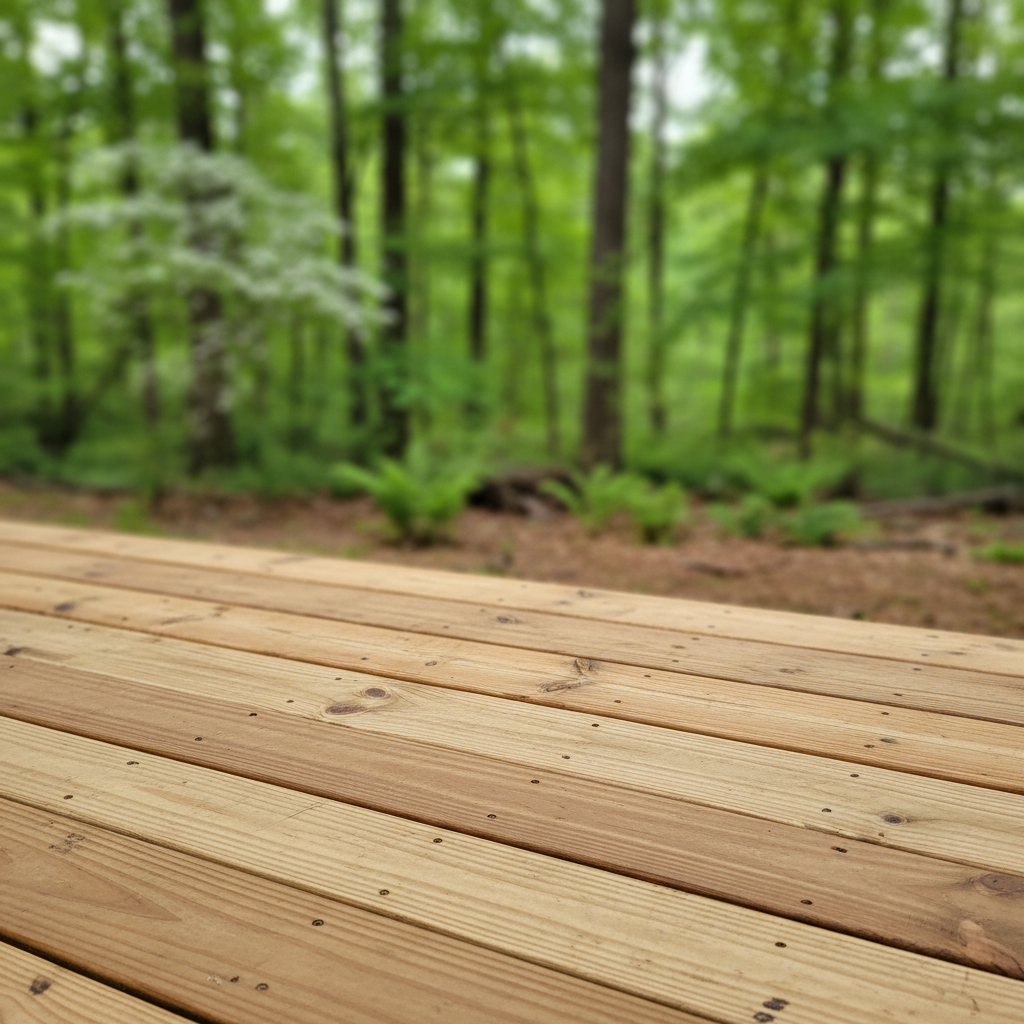
So, you're dreaming of a new wooden deck. That's great! A deck adds so much to a home, especially here in Spotsylvania where we get some beautiful weather for outdoor living. Before you even think about buying lumber, you've got to do some homework.
First off, what do you want to use it for? Is it for grilling and eating? Hosting big parties? Just a quiet spot for your morning coffee? The purpose drives the size and design. Don't just copy your neighbor's deck; think about your own family's needs.
Next, budget. Be realistic. Wood prices have been a bit wild lately, and labor isn't free. Get a good idea of what you're willing to spend. This helps you decide on materials too. Pressure-treated pine is common and affordable, but cedar or redwood look fantastic and last longer, though they cost more upfront. Composite materials are another option, but we're talking about wood today, so let's stick to that.
Permits are a big one. You can't just slap a deck up. Spotsylvania County has rules, and you'll need to get a permit for most deck projects. This involves submitting plans and getting inspections. Don't skip this; it can cause huge headaches down the road if you try to sell your house or if there's an issue. A good contractor, like us at Paradise Deck Solutions, will handle all the permitting for you.
DIY vs. Pro: Knowing Your Limits
This is where a lot of folks get stuck. Can you build a deck yourself? Maybe. Should you? That's a different question.
Here's what you can realistically DIY:
- Small repairs: Replacing a few rotten deck boards or a wobbly railing post? If you're handy with tools and know how to match materials, go for it.
- Staining and sealing: This is definitely a homeowner job. It's labor-intensive, but it's not rocket science. Prep is key – clean the deck thoroughly first.
- Basic design ideas: Sketching out what you want and measuring your yard. This helps you communicate with a pro.
When should you call a pro?
- New deck construction: Building a deck from scratch involves complex structural calculations, proper footings (especially with our clay soil in some parts of Spotsy, you need to get those footings deep enough to avoid frost heave), precise cuts, and ensuring everything is up to code. This isn't a weekend warrior project for most people. Mistakes here can be dangerous.
- Major renovations: If your deck needs new joists, ledger boards, or structural support, that's a job for someone who knows what they're doing.
- Permitting headaches: If the thought of dealing with county offices makes your head spin, a pro will manage that whole process.
- Time constraints: Building a deck takes a lot of time, especially if you're working alone or only on weekends. A professional crew can get it done safely and efficiently.
Look, I've seen plenty of DIY decks that looked great for a year or two and then started to sag or rot because the foundation wasn't right or the flashing wasn't installed properly. It's not just about aesthetics; it's about safety. If you're unsure, get a few quotes. It's worth the peace of mind.
After the Build: Keeping Your Deck in Top Shape
Once your beautiful new wooden deck is built, the work isn't over. Wood needs care, especially here in Virginia with our humid summers and wet winters.
- Clean it regularly: Sweep off leaves and debris. Power wash it once a year to remove dirt, mildew, and algae. Be careful with the pressure washer; too much can damage the wood fibers.
- Stain or seal it: This is probably the most important maintenance task. Wood needs protection from UV rays and moisture. Depending on the product, you'll need to re-stain or re-seal every 1-3 years. Watch for signs of fading or water soaking into the wood instead of beading up.
- Inspect for rot and damage: Walk around your deck a couple of times a year. Look for soft spots in the wood, loose railings, popped nails or screws, and any signs of insect damage. Pay close attention to the areas where the deck meets the house and where posts meet the ground.
- Keep it clear: Don't let planters sit directly on the deck surface without risers; they trap moisture. Trim back bushes and trees that are growing too close to the deck, as they can hold moisture against the wood.
Taking care of your deck isn't just about making it look good; it's about extending its life and keeping it safe for everyone who uses it. A little maintenance goes a long way in protecting your investment.